Wet basements and foundation cracks in Edmonton: what’s normal and what isn’t
Almost every Edmonton basement has a crack or two. Concrete shrinks as it cures, and our soils move with the seasons. Most of those cracks are cosmetic. A few are signs of a drainage problem or of the walls moving, and those are the ones worth paying attention to before you buy.
This post walks through why Edmonton basements get wet, which cracks are usually fine, which are not, and what a home inspection can and cannot see when the basement is finished. For the wider picture on older houses, see red flags in older Edmonton homes.
Why do Edmonton basements get wet?
Most wet basements come from surface water that is not being carried away from the house. Rain and snow melt soak into the soil beside the foundation, and if the ground slopes toward the house, that water ends up against the walls.
Soil plays a part too. Central Edmonton sits on glacial and glacial lake deposits, and the Geo-Institute explains that clay-rich soils can swell when wet and shrink as they dry, which can push and pull on foundations over time.
The usual sources of water, roughly in order of how often they cause trouble:
- Grading that has settled and now slopes toward the house.
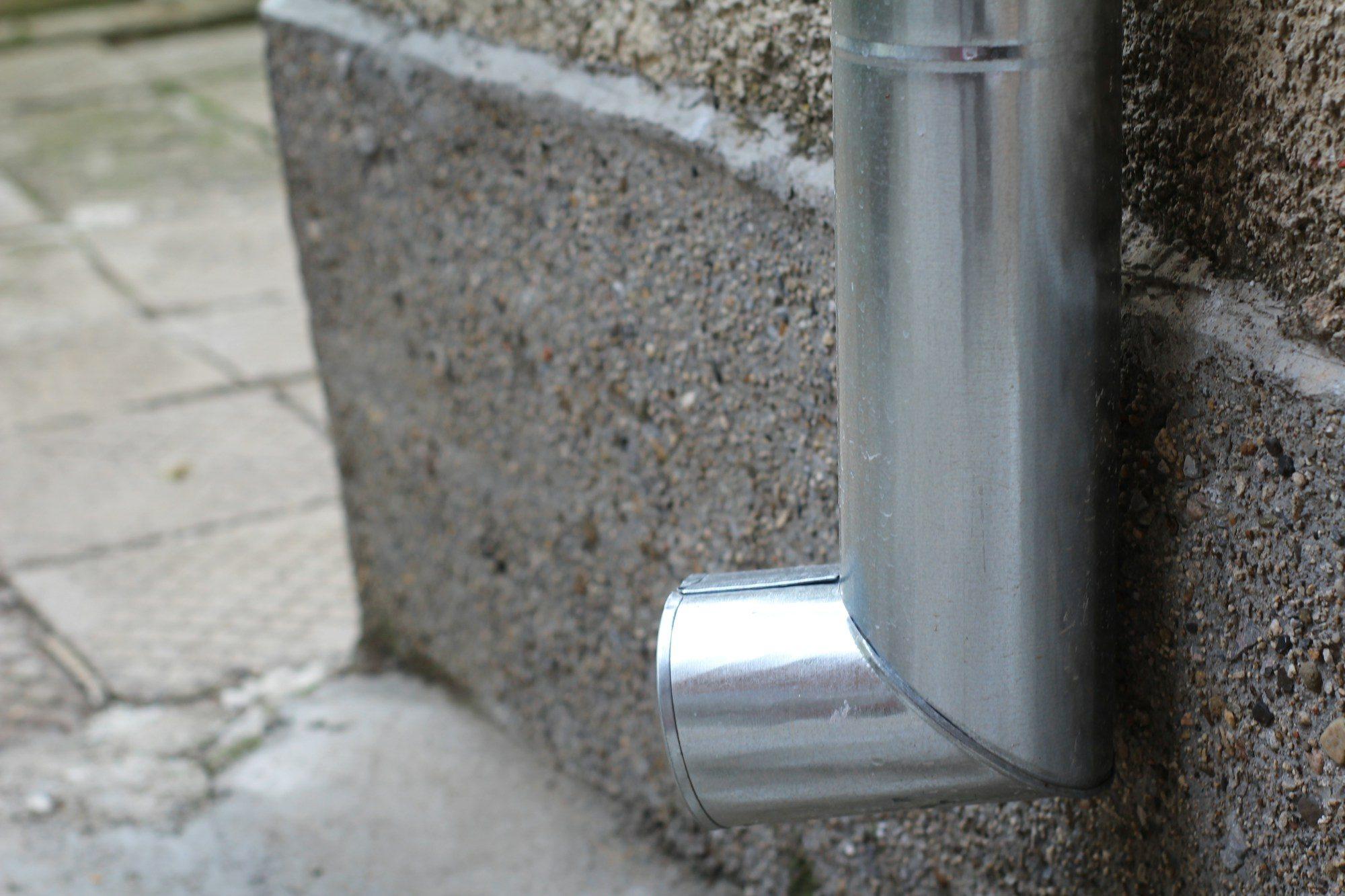
- Downspouts that dump water right at the foundation, or extensions that have been removed.
- Window wells that fill with water, leaves or soil.
- Weeping tile and sump pumps that are blocked, failing or discharging too close to the house.
- Sewer backup during heavy rain, which comes up through floor drains rather than through the walls.
- Plumbing leaks and condensation, which can look like a foundation leak but are not.
Who is responsible for lot grading in Edmonton?
The property owner is. The City of Edmonton’s lot grading issues guide says that once a lot has final grade approval, the owner must maintain the surface grades to that standard, and the City can require corrections under Drainage Bylaw 18093 if settlement causes drainage problems.
The City’s lot grading problems page says grading should direct water away from the house, that settlement next to foundation walls often develops slowly over years, and that it tends to show up after rainstorms or during snow melt. It also suggests extending downspouts past the foundation wall. The same guide notes that City inspectors do not design fixes, so a landscaper or drainage contractor does that work.
When you buy a house, you take on its grading. That is why it is worth looking at closely, and why a winter purchase deserves a spring walk-around. Our winter inspection guide covers what snow hides.
What should window wells, sump pumps and backwater valves look like?
Each one has a simple job, and you can check a lot of it yourself on a showing.
- Window wells: EPCOR advises keeping the gravel at the bottom of the well about 3 to 6 inches below the window so water can drain to the weeping tile, and keeping the well clear of debris. A well full of soil or leaves, or with water marks on the window, is a warning sign.
- Sump pumps: EPCOR describes weeping tile as a perforated pipe around the foundation that collects groundwater, which a sump pump then pumps out. It suggests an alarm and backup power, warns that discharge too close to the foundation can flow back into the system, and suggests disconnecting the outdoor discharge hose in winter so it does not freeze.
- Backwater valves: a backwater valve sits on the main sanitary sewer line. EPCOR explains that its flap closes automatically when sewer water pushes back toward the house, and that you should not use household drains while it is closed. EPCOR also says the valve needs maintenance to keep working.
EPCOR offers a free flood prevention home inspection for Edmonton homeowners, and has run a backwater valve subsidy program. Check the current eligibility on EPCOR’s site, since program details change.
Which foundation cracks are usually normal?
Thin, vertical or slightly diagonal cracks in a poured concrete wall, with no offset and no water, are usually shrinkage cracks. They are common, and on their own they are not a sign that the house is failing.
Other things that are often minor:
- Hairline cracks in a basement floor slab, especially if both sides are level.
- Small cracks near the corners of basement windows.
- Patched cracks that are dry and have not reopened.
- Efflorescence, the white, powdery or crystal deposit on concrete. The InterNACHI article on efflorescence explains that it is left behind as water moves through masonry or concrete and evaporates. It is not harmful in itself, but it tells you moisture has been moving through that wall, so trace where the water is coming from.
Which cracks and signs are not normal?
Cracks that show the wall has moved, or that let water in again and again, need a closer look by the right specialist. Watch for:
- Horizontal cracks, especially partway up a wall, which can point to soil pressure.
- Stair-step cracks in block walls.
- Offset cracks, where one side sticks out past the other.
- Cracks wider at one end, or ones that are clearly growing.
- Bowing or leaning walls, or gaps between the wall and floor framing.
- Doors and windows upstairs that stick or have cracked drywall at their corners, alongside basement cracks.
- Active water: damp lines, rust on nails or tack strips, staining at the bottom of drywall, or a musty smell.
None of these on its own tells you how serious the problem is or what it will cost. Alberta’s Home Inspection Business Regulation does not allow home inspectors to estimate repair costs, so for pricing you need quotes from qualified trades.
When should I call a structural engineer?
Call a structural engineer when there are signs of movement: horizontal, stepped or offset cracks, bowing walls, or cracks that are clearly getting bigger. An engineer can tell you whether the wall is stable and what kind of repair, if any, makes sense.
For water without movement, a foundation or waterproofing contractor, a plumber for weeping tile and sumps, or a landscaper for grading may be the better first call. A good report says which kind of follow-up fits each finding. See how to read a home inspection report for how those recommendations are written.
What can an inspection see behind a finished basement?
Not much of the foundation itself. A home inspection is visual, and the Government of Alberta’s consumer tips note that an inspector is responsible only for what is listed in the inspection contract. Inspectors do not open walls or move stored belongings.
What an inspector can still do in a finished basement:
- Look at any exposed concrete, such as the furnace room, under stairs and in storage areas.
- Check for staining, swelling or soft spots at the bottom of drywall and trim.
- Use a moisture meter on suspicious spots, where the inspector carries one.
- Look at flooring for lifting, buckling or odour.
- Look at the sump pit, floor drains, backwater valve cover and any visible weeping tile connections.
- Read the outside of the house: grading, downspouts, window wells and the visible foundation.
Fresh paint or new drywall in one corner of an otherwise older basement is worth a question. It may be a normal update, or it may cover a past leak.
What should I ask the seller about water?
Ask directly, and get answers in writing through your REALTOR®:
- Has the basement ever had water in it, and from where?
- Has there been a sewer backup or an insurance claim for water?
- Has any foundation crack been repaired, by whom, and is there a warranty?
- Is there a backwater valve and a sump pump, and when were they last serviced?
- Has the grading or landscaping been redone?
Water history matters for insurance too. The Insurance Bureau of Canada says basement water damage from a sewer backup is covered only if you have bought optional sewer backup coverage, so talk to a broker before your conditions come off. If there has been ongoing dampness, Health Canada recommends controlling humidity, repairing water damage promptly and cleaning up mould.
Where to go from here
A damp corner or a hairline crack is not a reason to walk away. Repeated water, a moving wall or a seller who will not answer questions is a reason to slow down and get the right specialist in during your condition period. A pre-purchase inspection is a good place to start, and you can see what a report looks like on the sample report page.
Sources
- Lot grading problems, City of Edmonton
- Lot Grading Issues, City of Edmonton
- Geology of the City of Edmonton Part 1: Central Edmonton, Alberta Geological Survey
- Living with Shrink-Swell Soils, Geo-Institute of the American Society of Civil Engineers
- Window well maintenance, EPCOR
- Weeping tile and sump pump, EPCOR
- Backwater valve, EPCOR
- Backwater valve subsidy, EPCOR
- Flood prevention home inspection, EPCOR
- Understanding Efflorescence and Spalling, International Association of Certified Home Inspectors
- Home Inspection Business Regulation, Alberta King’s Printer
- Hiring a Home Inspector (Consumer Tips), Service Alberta
- Insurance Bureau of Canada encourages Ontarians to prepare for 2023 flood season, Insurance Bureau of Canada
- Residential Indoor Air Quality Guideline: Moulds, Health Canada
Founder
Banish is the founder of EdmontonHomeInspector.com, a home inspection business starting up in the Edmonton area. These guides explain Alberta's rules and common house issues in plain language, and every fact links to its official source at the end of the post. Licence numbers will be listed here once issued.
Last reviewed